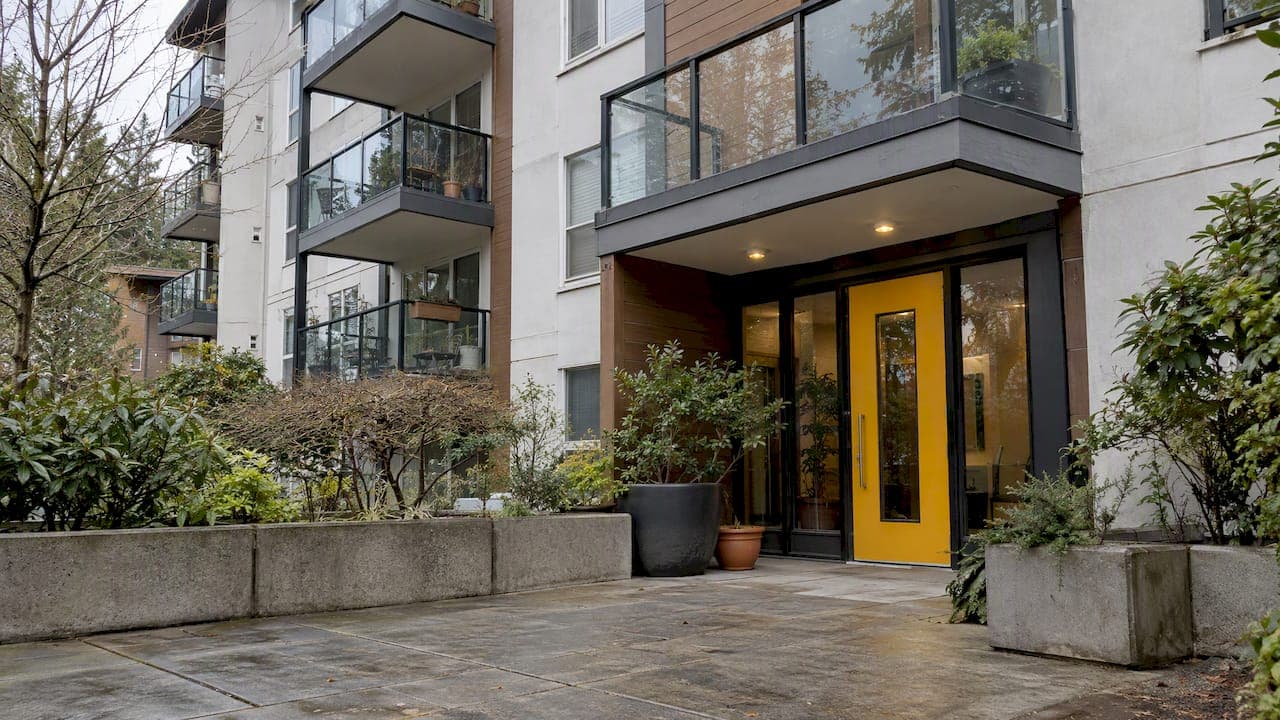
A non-warrantable condo is a unit in a project that fails the eligibility rules of Fannie Mae, Freddie Mac or FHA, so a conventional or government-backed mortgage is not available for it. Financing is still possible. Investors typically use asset-based loans, DSCR loans or portfolio and non-QM products that underwrite the property and the project's condition directly. This guide covers what triggers the label, which loan structures fit, how to check a building before you commit, and where the real risks sit.
TL;DR
- "Non-warrantable" describes the project, not the borrower. The building fails agency standards such as insurance, reserves, litigation, commercial space or investor concentration.
- Conventional, FHA and VA-style financing is generally unavailable. Portfolio, non-QM, DSCR and hard money loans are the usual routes.
- The status is often temporary. An HOA that fixes insurance or critical repairs can regain eligibility, which affects your exit value.
- Run the checks before you offer: HOA questionnaire, master insurance, litigation, owner concentration, commercial ratio and special assessments.
- Price the exit in. A smaller buyer pool means longer resale time, so model a hold or refinance rather than a quick retail sale.
Table of Contents
- What makes a condo non-warrantable
- Why the status is often temporary
- Why conventional and FHA routes usually close
- Financing options for a non-warrantable condo
- How to check a building before you make an offer
- Perspective: how we underwrite these deals
- Risks to price in
- Financing a non-warrantable condo with Jaken
- FAQ
- Sources
What makes a condo non-warrantable
Agency guidelines exist to protect lenders from projects with weak finances, safety problems or unusual ownership. A unit is non-warrantable when its project trips one or more of those tests. Fannie Mae publishes its list in the Selling Guide section on ineligible projects. The most common triggers:
| Trigger | What the rule looks at |
|---|---|
| Commercial space | Fannie Mae caps nonresidential space in a project at 35%. Retail, offices and garages in the same structure can push a mixed-use building over. |
| Single-entity ownership | In projects with 21 or more units, one person or entity owning more than 20% of the units is a disqualifier. Smaller projects have a two-unit limit. |
| Litigation | A project where the HOA is a party to pending litigation involving safety, structural soundness, habitability or functional use is ineligible. |
| Critical repairs | Projects needing critical repairs that are not yet addressed fail the review. |
| Transient housing | Condo-hotels and similar transient use fall outside conventional guidelines, according to Freddie Mac's condominium FAQ. |
| Non-incidental HOA business | An HOA-run restaurant, spa or health club can make the project ineligible. |
| Mandatory outside memberships | Required fees for amenities owned by an outside party, such as a golf course, are a disqualifier. |
The label is not rare. As of August 2025, roughly 3.6% of projects in Fannie Mae's Condo Status Finder carried an ineligible status, and insufficient master property insurance and unresolved critical repairs were the two most frequent reasons.
Three pitfalls investors miss
The commercial ratio includes more than the association's own space. The calculation can capture commercial square footage in the same structure even when that tenant is not formally part of the condo association. A building with ground-floor retail owned by a separate entity can still put the project over 35%.
Shared amenities with a hotel. A pool or gym shared with an adjacent hotel or transient housing operator under a usage agreement can flag the project as ineligible for government-backed loans, even when the HOA manages the amenity.
Litigation does not have to be about construction defects. Any pending suit relating to safety, structural soundness, habitability or functional use counts, and the size of the claim does not matter under the Fannie Mae rule linked above. Always ask for the litigation disclosure in writing.

Why the status is often temporary
Warrantability is a snapshot of the project against current standards, not a permanent trait of the building. Agency tools such as Fannie Mae's Condo Status Finder show the specific conditions that put a project in ineligible status. When the HOA secures adequate master insurance or completes mandatory repairs, a project can move back to eligible.
This matters for investors in two ways:
- Entry: You may be able to buy at a discount because conventional buyers are shut out.
- Exit: If the HOA fixes the problem during your hold, the buyer pool widens again. If it does not, plan for a resale to cash buyers or investors, or for a refinance into long-term financing.
An HOA with insurance gaps also has a practical coverage problem beyond the label. If you are renovating a condo or rental, coverage design matters. One external reference on the topic is a Dutch-language guide to insurance for renovated rental properties. Its rules and products are Dutch, so use it for the questions it raises and ask a US licensed agent about master policy and HO-6 coverage in your state.
Why conventional and FHA routes usually close
FHA does have a path for projects that lack full approval. HUD's Single-Unit Approval process requires, among other things, that the project is not a manufactured home, has at least five dwelling units, is ready for occupancy and meets financial stability thresholds. That route is built for owner-occupants, not investors buying a rental or flip.
The paperwork is also heavy. HUD's required documentation list includes items such as year-to-date income statements and reserve studies. For an investor who must close on a contract timeline, waiting on an HOA board to assemble that package is often the deciding factor.
Financing options for a non-warrantable condo
Investors generally use four structures. Each underwrites differently, so match the loan to the business plan.
| Loan type | Best fit | Underwriting focus |
|---|---|---|
| Hard money or fix-and-flip | Purchase and renovation, short hold | Property value, after-repair value (ARV), exit plan |
| Bridge loan | Buying fast, then refinancing or selling | Property value, timeline to exit |
| DSCR rental loan | Long-term rental hold | Rent versus debt service, LTV |
| Portfolio or non-QM | Owner-occupant or second home | Borrower income, credit, reserves |
Jaken Finance Group publishes rate ranges for its investor products: fix-and-flip, bridge and new construction loans at 8.99-13.5% and DSCR rental loans at 5.75-10.5%. Final pricing depends on the deal, the project and the borrower profile.
Short-term: hard money and bridge
Asset-based lenders focus on the property's value and the exit strategy rather than a minimum credit score. For a non-warrantable condo, the lender will still review the HOA documents, since they affect both the collateral and the exit. Our guide on HOA rules that derail hard money condo deals lists the clauses that most often cause trouble, including rental caps, minimum lease terms and rules on renovation work. A related video explains whether hard money works for condos and townhomes.
If you are buying to renovate and resell, read the Chicago condo flip financing checks. The same HOA and resale questions apply in other markets. For a time-sensitive acquisition that will be refinanced later, see our overview of bridge loans for real estate investors.
Long-term: DSCR loans
A DSCR loan qualifies the deal on the property's rental income against its debt payments, not on personal income documents. Non-warrantable status changes the terms a lender will offer, since project risk is priced in, and some lenders restrict leverage on non-warrantable units. Our article on DSCR loans for condos, warrantable versus non-warrantable walks through how the distinction affects eligibility. In Illinois, see DSCR loans for Chicago condos.
If you plan to run short-term rentals, check the HOA's rental restrictions first. The guide to financing an Airbnb in an HOA or condo covers that. Note also that a building with transient use or hotel-style operations is a common source of non-warrantable status in the first place.
Owner-occupant options
If you will live in the unit, the typical routes are portfolio loans held by the lender or non-QM mortgages with their own project and borrower standards. These generally require full income documentation, which is where they differ from investor products. This article focuses on investment use, so confirm owner-occupant terms directly with a mortgage lender in your state.
How to check a building before you make an offer
Run this sequence before you spend on appraisals or inspections.
- Search the project in an agency tool. Fannie Mae's Condo Status Finder tells you whether a project record shows ineligible conditions and describes each one.
- Request the HOA questionnaire and budget. Look at reserves, owner-occupancy ratio, delinquent dues and any special assessments. Freddie Mac's condo FAQ explains how reserve studies factor into agency reviews.
- Confirm master insurance. Ask for the certificate and check coverage amounts and deductibles.
- Get litigation status in writing. Ask whether the HOA or developer is a party to any suit.
- Count investor-owned units. Concentration by a single owner or entity can cause ineligibility.
- Measure commercial space. Ask for the square footage split between residential and non-residential use.
- Ask about critical repairs. Request the latest engineering or reserve study and any pending special assessments.
- Send the findings to your lender early. The lender can tell you whether the deal fits before you commit to a contract timeline.
Perspective: how we underwrite these deals
We see non-warrantable status as a pricing and exit question first, and a financing question second. Asset-based lending exists for exactly this situation: the unit has value, the investor has a plan, and the conventional channel is closed. Our approach is to underwrite the property, the project's condition and the exit, not a minimum credit score.

The mistake we see most often is treating the label as the whole problem. The label is a symptom. Insurance gaps, deferred repairs and heavy investor concentration affect rent collection, resale and insurance claims whether or not a lender cares about the agency list. So we recommend that investors read the HOA financials as carefully as they read the comps, and that they build the exit around buyers who can actually close on the unit, such as cash buyers and investors, or around a refinance into a DSCR loan.
Our published positioning for investors is no minimum credit score, leverage up to 100% of loan-to-cost, deferred payment options and closings in as few as 7 to 10 days. Those features help when an HOA is slow to supply documents, but they do not remove the need for diligence on the building.
— Jason Taken
Risks to price in
- Smaller buyer pool. Conventional and FHA buyers cannot finance the unit, so expect longer marketing time and a discount to comparable warrantable units. Model that in your ARV rather than assuming parity.
- Higher cost of capital. Short-term loans carry higher rates than conventional mortgages. Compare the carrying cost against your hold period.
- Special assessments. Critical repairs often lead to assessments. Confirm who pays assessments levied during your ownership.
- Insurance and repair risk. The same problems that cause ineligibility can create costs for owners.
- Refinance risk. If the project is still non-warrantable at the end of a bridge term, the takeout must be a portfolio, DSCR or non-QM loan. Line this up before closing.
Financing a non-warrantable condo with Jaken
We lend to real estate investors nationwide across fix-and-flip, DSCR rental, bridge, new construction and other asset-based products. If you are weighing a condo with an ineligible project status, send us the address, the HOA documents and your exit plan. To compare structures side by side, use our investment property loan comparison. Need financing for your next project? Start at jakenfinancegroup.com.
FAQ
Can you finance a non-warrantable condo?
Yes. Conventional, FHA and most agency-backed loans are generally unavailable, but portfolio, non-QM, DSCR and hard money lenders finance these units. Terms depend on the project's issues, the loan purpose and the borrower.
Is it a bad idea to buy a non-warrantable condo?
Not automatically, but it carries a narrower resale market and more diligence. It can work when the price reflects the discount, the HOA's problems are understood and the exit does not depend on conventional buyers. Avoid projects with unresolved structural litigation or unfunded critical repairs unless you can absorb the cost.
How do I find out if a condo is non-warrantable?
Search the project in Fannie Mae's Condo Status Finder, then request the HOA questionnaire, budget, insurance certificate and litigation disclosure. A lender can confirm the conclusion against its own guidelines.
What are current interest rates for non-warrantable condo loans?
Rates vary by lender, loan type and leverage, and change often, so confirm them with the lender. Our published ranges are 8.99-13.5% for fix-and-flip and bridge loans and 5.75-10.5% for DSCR rental loans, with final pricing set per deal.
Sources
- Fannie Mae Condo Status Finder
- Fannie Mae Selling Guide: Ineligible Projects
- Freddie Mac Condominium Unit Mortgage FAQ
- HUD: FHA Condominiums
- HUD: FHA Condominium Project Approval Required Documentation List