Mixed use loans fall into several main categories: conventional permanent mortgages for stabilized purchases and refinances, bridge loans for lease-up, construction loans for ground-up or heavy renovation work, SBA 7(a) and 504 loans for owner-occupants, and private or hard-money loans for fast closings. Lenders weigh blended income, DSCR, and LTV above all else.
TL;DR:
- Lenders may assess residential and commercial income separately, applying higher vacancy assumptions or lower advances to commercial space with greater lease rollover risk.
- For SBA 7(a) and 504 loans, your business must occupy at least 51% of usable space; eligible 504 financing can reach 90%.
- During lease up, lenders usually base sizing on current income, so vacancy can reduce permanent proceeds and push borrowers toward bridge financing until rents stabilize.
- Private and hard money loans can close in days to weeks, while conventional financing often takes weeks to months and SBA approval usually takes longer.
- Compare the full borrowing cost, including origination fees, reports, legal work, insurance, reserves, and vacancy; permanent and CMBS loans can penalize early payoff.
Table of Contents
- What mixed-use loans finance and which property types qualify
- How lenders underwrite blended income, DSCR, and LTV
- Loan options explained: conventional, bridge, construction, CMBS, SBA, and private
- Typical terms, leverage, and pricing benchmarks
- How to prepare and apply for a mixed-use loan
- What mixed-use loans cost: fees, closing costs, and ongoing expenses
- How to choose the right loan for purchase, refinance, construction, or stabilization
- Application and approval timeline for mixed-use loans
- Why we favor asset-based, investor-focused financing
- Get mixed-use financing from Jaken Finance Group
- FAQ
- Sources
What mixed-use loans finance and which property types qualify
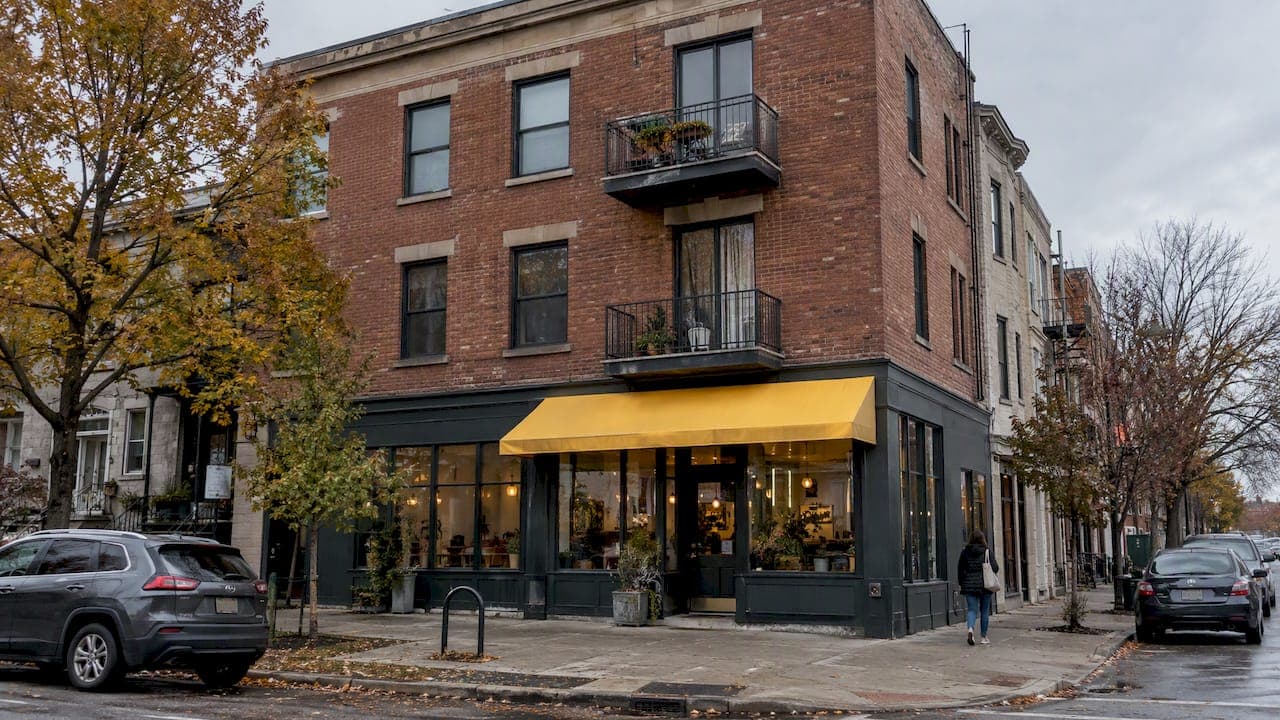
A mixed-use loan finances a property that combines different uses under one roof: ground-floor retail with apartments above, a live-work building, or an office floor stacked over residential units. Financing is more complex than for a single-use asset because the lender must underwrite multiple income streams and tenant bases, and often different risk profiles, in one appraisal.
Here is how loan types usually map to property scenarios:
- Conventional permanent loan: a stabilized building with apartments above occupied retail and a long operating history.
- Bridge loan: a partly vacant building that needs lease-up before it qualifies for permanent debt.
- Construction loan: a ground-up build or a gut renovation that adds commercial or residential space.
- SBA 7(a) or 504 loan: a building where your own business occupies at least 51% of the usable square footage, per the SBA 504 program.
- Private or hard-money loan: an acquisition with a tight closing window or a property that does not yet fit bank criteria.
Our own commercial real estate financing overview covers the broader set of commercial options beyond mixed-use.
How lenders underwrite blended income, DSCR, and LTV
Lenders start by building a blended net operating income (NOI): residential rents plus commercial rents, minus vacancy allowances and operating expenses. Some lenders treat the residential and commercial components separately, applying a higher vacancy factor or a lower advance rate to the commercial side because retail and office leases carry more rollover risk than apartments.
Several checks usually decide the loan size:
- Income split: a residential-dominant building is often priced and leveraged like multifamily, while a commercial-dominant building is treated as commercial real estate.
- DSCR: net operating income divided by annual debt service. Lenders assess whether income adequately covers debt service, with the exact target set by program and lender.
- LTV and LTC: loan-to-value on stabilized assets, loan-to-cost on acquisitions and construction.
- Lease quality: remaining lease term, tenant credit, and whether in-place rents match the market.
Government programs show how much these ratios matter. HUD's January 2025 Mortgagee Letter adjusted DSCR and LTV/LTC parameters for FHA multifamily underwriting and applies the new ratios to eligible applications not yet endorsed.
Occupancy matters for SBA eligibility: the borrower's business must occupy at least 51% of the building's usable square footage. A building that fails that test is an investment property, and it goes down a different financing path.
Loan options explained: conventional, bridge, construction, CMBS, SBA, and private
Each program solves a different problem, and the trade-offs come down to term, speed, and what the underwriter emphasizes.
- Conventional and permanent loans: best for stabilized, residential-dominant buildings. Longer amortization lowers the payment and improves DSCR.
- Bridge loans: short-term, often interest-only, used to renovate, re-tenant, or buy before the property qualifies for permanent debt. We offer bridge loans for real estate investors for exactly this stage.
- Construction loans: draw-based financing tied to a budget and schedule, repaid by a sale or a take-out refinance.
- SBA 7(a) and 504: owner-occupant programs. The 504 program offers long-term, fixed-rate financing through Certified Development Companies for buildings, land, improvements, and certain refinancing, as described on the SBA 504 program page. Our guide on SBA 504 versus 7(a) explains the differences.
- CMBS and life-company loans: suited to larger, commercial-dominant assets with strong tenancy.
- Private and hard-money loans: asset-based, underwritten on property value and the business plan, with closings measured in days rather than months.
Typical terms, leverage, and pricing benchmarks
Planning ranges help you size a deal before you call a lender. Conventional mixed-use financing varies, and lenders may adjust leverage downward as the commercial share rises. Short-term bridge and construction loans have shorter terms, while permanent loan terms depend on the program.
Owner-occupants get the highest leverage. The SBA states that 504 loans can reach up to 90% financing on eligible projects, with total financing up to $5.5 million.
Maturity can also be blended: when 51% or more of a mixed-purpose SBA loan's proceeds go to real estate, maximum maturity may reach 25 years, per SBA guidance.
DSCR targets vary by lender and by how much of the income is commercial. A building still in lease-up will usually be underwritten on in-place income, which often shrinks the first loan and pushes borrowers toward bridge financing until rents stabilize. Rates and exact terms vary by lender, loan size, and borrower profile, so treat any published range as a starting point and not a quote. Our published pricing for related investor products runs from 8.99% to 13.5% on bridge loans and commercial property loans, and 5.75% to 10.5% on DSCR rental loans.
How to prepare and apply for a mixed-use loan
Preparation is where most timelines are won or lost. Lenders ask for the same core package, and missing items cause the longest delays.
- Recent operating statements, plus year-to-date figures.
- A current rent roll and executed copies of every commercial and residential lease.
- A pro forma with market rent support for any units you plan to re-lease.
- An appraisal, ordered through the lender, and a title commitment.
- Environmental reports where the commercial use warrants them.
- A construction budget and schedule if the loan funds renovation or new building.
Underwriters read lease terms closely. Short remaining terms, below-market rents, and weak commercial tenants all reduce the income they will count. If the building is not stabilized, bring a written lease-up plan with realistic timing.
Third-party review also helps. For acquisitions that involve unfamiliar ownership structures, permits, or local regulatory checks, a buyer-side review such as commercial property due diligence from NITARYA can surface problems before the lender's appraiser does.
Pro Tip: Order your title work and environmental screening early, not after the appraisal comes back. Those items can cause late closings.
What mixed-use loans cost: fees, closing costs, and ongoing expenses
The interest rate is only one line of the total cost. Origination fees, usually quoted in points, are charged at closing and scale with loan size and speed. Asset-based lenders typically charge more in points than banks in exchange for faster execution and flexible underwriting.
Closing costs add several more items:
- Appraisal and any required environmental or property condition reports.
- Title insurance, escrow, and recording fees.
- Legal fees for you and, often, for the lender.
- Survey and zoning reports on commercial components.
Prepayment penalties deserve separate attention. Permanent and CMBS loans often carry step-down or yield-maintenance structures that make an early payoff expensive. Bridge and hard-money loans generally treat early payoff more gently because the product is built for short holds, but terms differ by lender, so read the note before signing.
Ongoing costs matter just as much. Commercial space brings higher insurance premiums, reserve requirements, and sometimes escrowed taxes. Lenders also require adequate coverage, and our video on rental insurance requirements explains why replacement cost coverage comes first. Add the cost of capital for any renovation, vacancy during lease-up, and property management, then compare the all-in annual cost, not the headline rate.
How to choose the right loan for purchase, refinance, construction, or stabilization
Start with the property's condition, then match the loan to the stage.
Purchase of a stabilized building: a conventional or SBA loan gives the lowest long-term cost if you can wait for underwriting and the building meets coverage tests. If a seller does not wait, a bridge or hard-money loan can close first and be refinanced later.
Purchase with vacancy or deferred maintenance: bridge financing is built for this. You buy, renovate, lease up, and then refinance into permanent debt once income supports it.
Refinance: compare the payoff cost, including prepayment penalties, against the new rate and amortization. A cash-out refinance makes sense when the property has appreciated and you want capital for the next acquisition. We cover related options, including cash-out and portfolio refinance, on our main site.
Construction or heavy rehab: choose a draw-based construction loan, and confirm the lender's loan-to-cost and loan-to-value limits against your budget.
Stabilization: if rents are rising but have not yet seasoned, a DSCR-based rental loan can bridge the gap, since it underwrites on property income and not personal income.

For a side-by-side view, our guide to comparing investment property loans lays out how each product fits a deal. If you plan to put down less than a conventional lender wants, review our notes on commercial down payment requirements before you build your capital stack.
Application and approval timeline for mixed-use loans
Timelines separate the loan types more than rates do. Private and hard-money loans close fastest, measured in days to a few weeks, because underwriting focuses on property value and the business plan. Bridge loans are similar, with the pace set largely by how quickly the appraisal and title work arrive.
Conventional permanent loans take longer, typically weeks to a few months, since the lender must review leases, tenant financials, and operating history for both uses. SBA 7(a) and 504 loans are usually on the slower end, because the lender, the SBA, and for 504 loans a Certified Development Company all have a role.
A typical sequence looks like this:
- Pre-qualification: share the property summary, rent roll, and your experience.
- Term sheet: the lender issues proposed amount, rate, fees, and conditions.
- Application and deposit: you submit the full document package and pay for third-party reports.
- Third-party reports: appraisal, title, environmental, and any property condition assessment.
- Underwriting and approval: the lender checks income, DSCR, and leverage against its limits.
- Closing and funding: final documents are signed and funds are disbursed.
Delays almost always trace to incomplete leases, appraisal scheduling, or unresolved title items. Submitting a clean, organized package up front is the most reliable way to shorten any of these timelines.
Why we favor asset-based, investor-focused financing
Our guidance reflects how investors actually buy mixed-use property: on deadlines, with imperfect information, and with a plan that has not yet shown up in the trailing numbers. Banks underwrite what a building has done. We underwrite what a building is worth and what you intend to do with it, which is why asset-based lending closes faster.
That shapes three recommendations in this article. Prove value early with a clean rent roll and a credible pro forma. Size your timeline to the loan type you are using, not the one you wish you had. And treat bridge and permanent financing as two stages of one plan, not competing choices.
— Jason Taken
Get mixed-use financing from Jaken Finance Group
When your deal needs speed or flexible underwriting, we can fund it on the strength of the asset. 
- Bridge loans: for acquisition, renovation, and lease-up.
- Construction loans: for ground-up and heavy rehab projects.
- DSCR rental loans: for stabilized, income-producing buildings.
- Commercial property loans: for the commercial side of a mixed-use asset.
Review our loan options, then contact us with your property details and a rough timeline so we can scope the loan with you.
This article is general information, not a substitute for advice from a qualified financial advisor. Consult a qualified financial professional about your own circumstances before acting on anything here.
FAQ
Can I get an FHA loan for a mixed-use property?
Yes, in some cases. FHA programs can apply to mixed-use buildings that meet residential-use requirements, and HUD's multifamily guidance sets its own DSCR and LTV parameters, as in its January 2025 Mortgagee Letter. Eligibility depends on the property and the program, so confirm details with an approved lender.
What are the downsides of mixed-use developments?
Financing and operations are more complex than for single-use buildings. Lenders must underwrite two income streams, commercial leases carry rollover risk, and insurance and management costs can run higher. Strong leases and a clear business plan reduce these concerns.
What are the main financing options for a mixed-use building?
Investors use conventional permanent loans, bridge loans, construction loans, SBA 7(a) and 504 loans for owner-occupants, CMBS, and private or hard-money loans. The right choice depends on the property's condition, your timeline, and whether you occupy part of the building.
How does the SBA occupancy rule affect a mixed-use purchase?
For SBA 7(a) and 504 financing, your business generally must occupy at least 51% of the building's usable square footage, per SBA guidance. Buildings that do not meet this test are treated as investment property and financed through other programs.
Sources
- 504 loans - Small Business Administration
- U.S. DEPARTMENT OF HOUSING AND URBAN DEVELOPMENT
- 504 loans | U.S. Small Business Administration