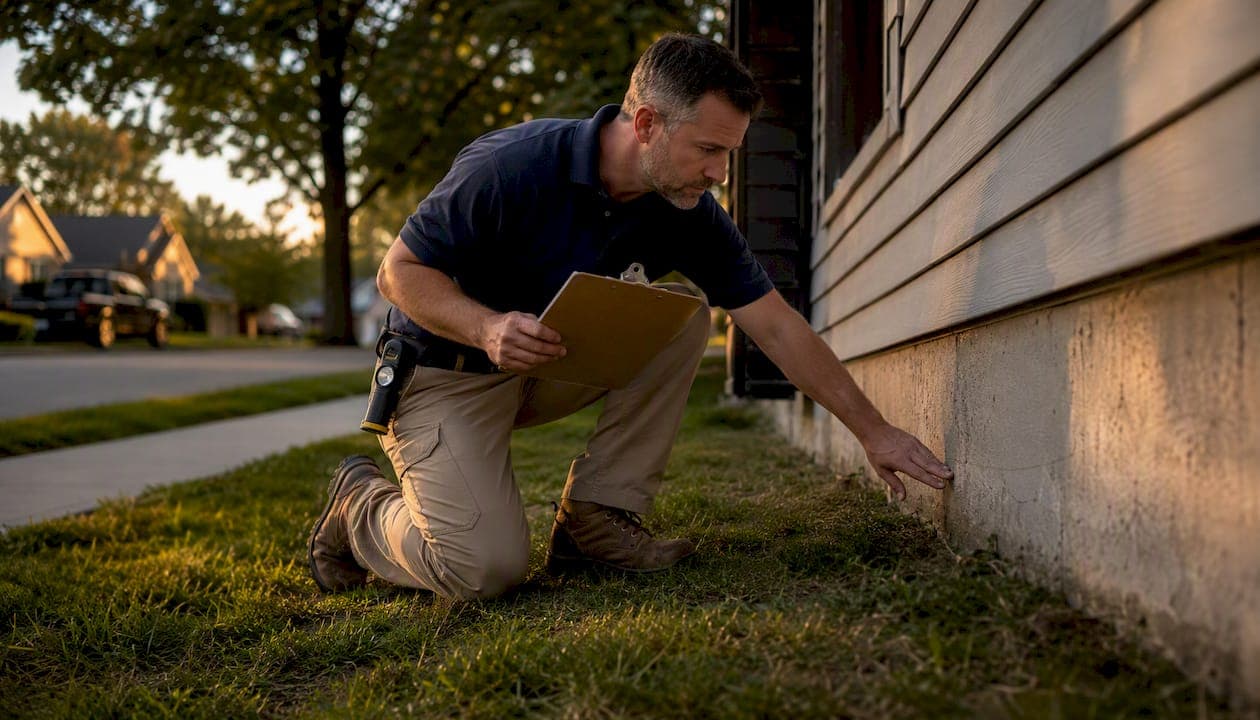
An appraisal determines a home's fair market value for the lender; a home inspection evaluates the property's physical condition for the buyer. Lenders typically require appraisals to confirm the collateral supports the loan amount, while inspections are optional from the lender's perspective but strongly recommended for every buyer.
- Who orders each: The lender orders and selects the appraiser; the buyer hires the home inspector.
- Who pays: Buyers typically pay for both, though costs are handled differently at closing.
- Who benefits: Appraisals protect the lender; inspections protect the buyer by revealing physical condition and safety issues before closing.
Key Takeaways
A home appraisal protects the lender by confirming market value, while a home inspection protects the buyer by revealing physical condition; both are worth the cost, and neither substitutes for the other.
| Point | Details |
|---|---|
| Appraisals serve the lender | Lenders require appraisals for most financed purchases; buyers pay but the lender is the appraiser's client. |
| Inspections protect the buyer | Inspections are optional for lenders but reveal condition issues that directly affect repair costs and negotiating leverage. |
| Cost and timing | Appraisals typically cost $300–$600 and take about a week; inspections cost $300–$500 and deliver reports same day or next day. |
| Low appraisal options | Buyers can renegotiate price, cover the gap, request an ROV, or exit using an appraisal contingency. |
| Jaken Finance Group | Asset-based lending for investors prioritizes ARV and property value, supporting fast closings where traditional appraisal timelines are a constraint. |
Table of Contents
- How a home inspection vs appraisal compares side by side
- What a home appraisal is and what appraisers evaluate
- What to do when the appraisal comes in low
- What a home inspection covers and why buyers need one
- How to get the most value from a home inspection report
- Specialized inspections buyers may need beyond the standard report
- Which loans require appraisals and when inspections become mandatory
- Typical costs and how long each process takes
- Do cash buyers need an appraisal or inspection?
- How to choose a qualified appraiser or home inspector
- How appraisals and inspections work differently for fix-and-flip and hard-money deals
- Why both services matter more than most buyers realize
- Financing options for investors who need fast closings
- Sources
How a home inspection vs appraisal compares side by side
The table below covers the dimensions that matter most when deciding how to sequence and budget for each service.
| Dimension | Appraisal | Home Inspection |
|---|---|---|
| Primary purpose | Estimate fair market value | Evaluate physical condition and safety |
| Who orders/hires | Lender orders; buyer pays | Buyer hires directly |
| Who benefits | Lender (loan collateral protection) | Buyer (condition disclosure) |
| Scope | Comps, size, layout, apparent condition, neighborhood | Roof, foundation, plumbing, electrical, HVAC, structure |
| Timing in transaction | After offer accepted, before loan approval | After offer accepted, typically before appraisal |
| Who typically pays | Buyer (paid upfront or at closing) | Buyer (paid at time of service) |
| Typical cost range | $300–$600 | $300–$500 |
| Lender requirement | Required for most financed purchases | Not required by lenders |
| Consequence of findings | Low appraisal can kill or delay the deal | Major defects trigger renegotiation or exit |
The most consequential distinction: a low appraisal affects whether the loan funds at all, while a failed inspection affects whether the buyer wants to proceed. Both outcomes carry real financial weight.
Pro Tip: Schedule the inspection before the appraisal whenever the contract timeline allows. If the inspector uncovers major defects, you can renegotiate or exit before the appraisal fee is spent. Finding problems in that order also gives you documented repair estimates to present during price negotiations.
What a home appraisal is and what appraisers evaluate
A licensed appraiser estimates a property's fair market value using a combination of on-site observation and off-site market analysis. The result is a formal written report the lender uses to confirm the loan amount does not exceed what the property is worth. Appraisers use comparable sales, property size, condition, and neighborhood trends to reach that value estimate.
On-site, the appraiser walks the interior and exterior, noting square footage, layout, apparent condition, significant upgrades, and any obvious defects. Off-site, the appraiser pulls recent comparable sales ("comps") from properties with similar size, age, and features within a defined radius, then adjusts the value up or down based on differences between those comps and the subject property.
Key items appraisers evaluate:
- Gross living area (GLA): Measured square footage of finished, above-grade space.
- Condition rating: Typically scored on a standardized scale (C1 through C6 under Fannie Mae guidelines).
- Upgrades and improvements: Kitchen and bath renovations, new roof, HVAC replacement.
- Comparable sales: Usually three to six recent sales within the past six to twelve months.
- Neighborhood factors: Proximity to amenities, employment centers, school ratings, and market trends.
Appraisers must hold a state license or certification. Residential appraisers typically hold a Certified Residential or Certified General credential issued by their state appraisal board. For straightforward properties in active markets, lenders may accept a desktop appraisal (data-only, no site visit) or a drive-by appraisal (exterior only), though full interior appraisals remain the standard for most purchase transactions.
What happens during an appraisal, step by step
- Lender orders the appraisal through an Appraisal Management Company (AMC) or directly from an approved appraiser panel after the purchase contract is signed.
- Appraiser schedules the on-site visit with the listing agent or seller, typically within a few days of the order.
- On-site walkthrough covers the exterior, interior, all rooms, mechanicals, and any notable features or deficiencies. The visit usually takes about an hour for a standard single-family home.
- Appraiser pulls comps and market data back at the office, applies adjustments, and drafts the report using a standardized form (most commonly the Uniform Residential Appraisal Report, Fannie Mae Form 1004).
- Report is submitted to the lender, reviewed by the underwriter, and then delivered to the buyer. From order to final report, the process commonly takes about a week, though complex properties or rural locations can extend that timeline.
- Buyer receives a copy of the appraisal report at least three business days before closing under federal disclosure rules.
The buyer does not attend the appraisal. The appraiser's client is technically the lender, not the buyer, even though the buyer pays the fee.
What to do when the appraisal comes in low
A low appraisal, where the appraised value falls below the agreed purchase price, does not automatically end the transaction. Buyers and agents have several options:
- Renegotiate the purchase price. The seller reduces the price to match the appraised value. This is the most common resolution in a buyer's market.
- Buyer covers the gap. The buyer pays the difference between the appraised value and the purchase price in cash. This preserves the deal but increases out-of-pocket costs.
- Request a Reconsideration of Value (ROV). The buyer or agent submits additional comps, correction requests, or documented improvements to the lender, which forwards them to the appraiser for review. Not all lenders support formal ROV processes, but most will accept factual error corrections.
- Challenge the appraisal. If the report contains factual errors (wrong square footage, missing rooms, incorrect comp selection), a written rebuttal with supporting documentation can prompt a revision.
- Order a second appraisal. Some loan programs allow a second opinion, though the buyer typically pays again and the lender controls which value is used.
- Walk away. If the purchase contract includes an appraisal contingency, the buyer can exit and recover the earnest money deposit.
Practical steps when the appraisal falls short: gather recent comparable sales within a half-mile radius, compile receipts for major improvements, and coordinate with the agent and lender before submitting anything to the appraiser. Unsolicited direct contact with the appraiser is prohibited under federal appraisal independence rules.
Pro Tip: For investors using hard-money or asset-based financing, the appraisal timeline and ARV expectations are critical variables. A low as-is appraisal on a fix-and-flip does not necessarily block the deal if the lender underwrites to after-repair value (ARV). Confirm the lender's valuation methodology before ordering any appraisal so you know which number drives the loan amount.
What a home inspection covers and why buyers need one
A home inspection is a detailed, technical review of the property's structure and systems conducted by a licensed or certified home inspector. Where an appraisal answers "what is this property worth?", an inspection answers "what is wrong with it and how serious are those problems?"
Standard inspection scope includes:
- Roofing: Shingles, flashing, gutters, and visible decking condition.
- Foundation and structure: Visible cracks, settling, moisture intrusion, and framing.
- Plumbing: Supply lines, drain lines, water heater, fixtures, and visible pipe condition.
- Electrical: Panel, wiring type, outlets, GFCI protection, and grounding.
- HVAC: Heating and cooling equipment, ductwork, filters, and thermostat function.
- Interior: Walls, ceilings, floors, windows, doors, and attic insulation.
- Exterior: Siding, grading, drainage, decks, and attached structures.
Inspectors do not open walls, move furniture, or test for environmental hazards unless specifically contracted to do so. Hidden conditions, underground systems, and items outside the inspector's line of sight fall outside the standard scope. Home inspectors follow published Standards of Practice and are expected to recommend specialist follow-ups when they encounter issues beyond their scope, such as suspected structural movement, active mold, or aging electrical panels.
Inspections typically take 2–4 hours depending on property size and age, and the buyer receives a written report with photographs, condition ratings, and recommended actions. That report is the buyer's primary tool for repair requests, price renegotiation, or exercising a contingency exit.

How to get the most value from a home inspection report
Attending the inspection in person is one of the most practical steps a buyer can take. Hearing the inspector explain findings directly, rather than reading a report cold, provides context that written descriptions rarely convey fully.
Reading the report effectively:
- Safety hazards (exposed wiring, missing smoke detectors, gas leaks) require immediate attention and are typically non-negotiable repair requests.
- Major defects (failing roof, foundation movement, HVAC at end of life) carry significant cost and should drive price renegotiation or seller repair credits.
- Maintenance items (caulking, minor grading issues, aging water heater) are normal wear and generally not worth negotiating unless the property is priced as move-in ready.
- Deferred maintenance patterns across multiple systems often signal a property that has been neglected, which is a useful negotiating point even when no single item is catastrophic.
Using the report strategically:
- Submit a written repair request to the seller within the contract's inspection period, prioritizing safety and major defects over cosmetic items.
- Request a credit at closing instead of seller-completed repairs when the work requires licensed contractors, giving the buyer control over quality.
- If findings are severe enough to affect the property's livability or financing eligibility, exercise the inspection contingency and exit the contract.
- For properties with significant defects, schedule a re-inspection after seller repairs are completed before releasing the contingency.
Common red flags that warrant specialist follow-up:
- Visible foundation cracks or uneven floors (structural engineer).
- Water stains in basement or crawlspace (waterproofing specialist or mold testing).
- Aluminum wiring or Federal Pacific/Zinsco electrical panels (licensed electrician).
- Chimney deterioration or firebox damage (certified chimney sweep or structural engineer).
Specialized inspections buyers may need beyond the standard report
A standard home inspection covers visible, accessible systems. Several conditions require separate, specialized testing that falls outside that scope.
- Pest/termite inspection: Checks for wood-destroying organisms including termites, carpenter ants, and wood rot. Required by lenders for VA loans and common in humid or wooded regions. Typical cost: $75–$150.
- Radon testing: Measures radon gas concentration in the lowest livable level of the home. The EPA action level is 4 picocuries per liter (pCi/L). Radon is the second leading cause of lung cancer in the United States, according to the EPA. Typical cost: $150–$300 for a professional test.
- Sewer scope: A camera inspection of the main sewer lateral from the house to the municipal connection. Recommended for homes over 20 years old or those with mature trees near the sewer line. Typical cost: $150–$300.
- Mold testing: Air or surface sampling to identify mold species and concentration levels. Warranted when the inspector notes visible mold, musty odors, or evidence of past water intrusion. Typical cost: $300–$600 depending on sample count.
- Chimney inspection: A Level 2 chimney inspection (camera scope of the flue) is recommended for any home with a wood-burning fireplace or insert, particularly if the seller's disclosure is incomplete. Typical cost: $200–$500.
- Septic inspection: Pumping and inspection of the tank and drain field. Required by some lenders and strongly recommended for any property on a private septic system. Typical cost: $300–$600.
Triggers that should prompt specialized testing: seller disclosure of past flooding or water damage, visible efflorescence on basement walls, a property in a known radon zone (EPA Zone 1), homes built before 1978 (lead paint risk), and any property with a private well or septic system. Buyers should budget an additional $500–$1,500 for specialized testing on older or rural properties.
Which loans require appraisals and when inspections become mandatory
Most financed purchases require an appraisal. The specifics vary by loan type:
- Conventional loans (Fannie Mae/Freddie Mac): Full appraisal required for most purchases. Desktop and hybrid appraisals are permitted in limited circumstances based on automated underwriting system (AUS) findings.
- FHA loans: Full appraisal required, conducted by an FHA-approved appraiser. The FHA appraisal includes minimum property requirements (MPRs) that go beyond market value, covering health and safety conditions such as working utilities, adequate heating, and absence of significant hazards. FHA and VA appraisal processes include habitability checks that can require seller repairs before closing.
- VA loans: Full appraisal required, conducted by a VA-assigned appraiser. VA appraisals include Minimum Property Requirements (MPRs) and may require repairs as a condition of loan approval. Pest inspections are also required in many states for VA loans.
- USDA loans: Appraisal required; the property must meet USDA condition standards similar to FHA MPRs.
- Jumbo loans: Appraisal required; some lenders require two independent appraisals for high-value properties.
- Cash purchases: No lender-required appraisal. The buyer may order one voluntarily to confirm they are not overpaying.
Inspections are not required by lenders under any standard loan program. However, FHA and VA appraisals effectively function as a partial condition check because their MPRs flag habitability issues. These MPR findings are not a substitute for a full buyer's inspection, which covers far more systems and detail.
For program-specific appraisal rules, HUD's program guidance and the VA's lender handbook are the authoritative references. Verify appraiser and lender credentials through NMLS Consumer Access before engaging any professional.
Typical costs and how long each process takes
| Service | Typical Cost | On-Site Time | Report Turnaround |
|---|---|---|---|
| Standard appraisal | $300–$600 | ~1 hour | 5 business days |
| Desktop/drive-by appraisal | $75–$200 | None or exterior only | 2–5 business days |
| Standard home inspection | $300–$500 | 2–4 hours | Same day or next day |
| Specialized inspection (varies) | $75–$600 per test | 1 hour | Same day to 1 week |
Regional variation is significant. Appraisals in high-cost markets or rural areas with few comparable sales can run $700–$1,000 or more. Complex properties, multi-unit buildings, and unique architectural styles also push appraisal fees higher. Home inspection costs scale with square footage and property age; a 4,000-square-foot Victorian will cost more to inspect than a 1,200-square-foot condo.
Appraisal fees are typically collected upfront or rolled into closing costs. Inspection fees are paid directly to the inspector at the time of service. In competitive markets, buyers sometimes negotiate for sellers to cover inspection costs as a concession, though this is less common than seller-paid closing cost credits.
Do cash buyers need an appraisal or inspection?
Cash buyers face no lender-imposed requirement for either service. That does not mean skipping both is prudent.
- Appraisal for cash buyers: Without a lender's appraisal, the buyer has no independent confirmation that the agreed price reflects market value. Ordering a private appraisal ($300–$600) is a straightforward way to verify the purchase price, particularly for properties in thin markets, unique property types, or situations where the seller is motivated to close quickly.
- Inspection for cash buyers: The absence of a lender requirement makes the inspection more important, not less. Cash buyers, especially those purchasing at auction or from distressed sellers, often have limited recourse after closing. An inspection report documents the property's condition before funds transfer, providing the basis for price adjustments or, at minimum, an accurate repair budget.
- Investor-specific considerations: Fix-and-flip buyers purchasing at auction or through off-market channels frequently cannot obtain a full inspection before closing. In those cases, a pre-bid walkthrough with a contractor to estimate repair scope serves a similar function, even if it lacks the formal documentation of a licensed inspection.
Pro Tip: Cash buyers who plan to refinance into a conventional or DSCR loan after closing will need a full appraisal at that point. Ordering a pre-purchase appraisal gives a baseline that can support the refinance appraisal and flag any value gaps before they affect the exit strategy.
How to choose a qualified appraiser or home inspector
Lender-selected appraisers are assigned through an AMC and are not chosen by the buyer. For voluntary appraisals (cash purchases, pre-listing, or refinance prep), buyers select their own appraiser. For inspections, buyers always select their own inspector.
Appraiser selection criteria:
- State license or certification (Certified Residential or Certified General).
- Experience in the specific property type (single-family, multi-unit, condo, manufactured home).
- Local market knowledge, particularly familiarity with the neighborhood's comp pool.
- Membership in a professional body such as the Appraisal Institute (MAI or SRA designation).
Home inspector selection criteria:
- State license where required (most states now license home inspectors; check your state's licensing board).
- Membership in a professional association such as the American Society of Home Inspectors (ASHI) or InterNACHI, which require adherence to published Standards of Practice.
- Experience with the property's age, type, and construction style.
- Carries errors and omissions (E&O) insurance.
Questions to ask before hiring an inspector:
- Can you provide a sample inspection report?
- What is your turnaround time for the written report?
- Do you carry E&O and general liability insurance?
- Do you recommend specialists for issues outside your scope?
- How many inspections do you complete per year in this property type?
Red flags: inspectors who cannot provide a sample report, quote fees significantly below market without explanation, or produce vague narrative reports without photographs. An inspector who discourages buyer attendance is also a concern. For appraisers, verify credentials through the Appraisal Subcommittee's National Registry or your state's appraisal board before engaging.
How appraisals and inspections work differently for fix-and-flip and hard-money deals
Investors using hard-money or asset-based financing operate under a different appraisal framework than retail buyers. Traditional lenders underwrite to as-is value; asset-based lenders often underwrite to after-repair value (ARV), which changes how the appraisal functions in the deal.
Key differences for investors:
- ARV-based underwriting: Hard-money lenders may order an appraisal that values the property both as-is and at projected ARV, using the ARV to determine the maximum loan amount. Understanding how appraisers calculate ARV, particularly the comp selection methodology, is critical for accurate deal underwriting. The DSCR appraisal and 1007 rent schedule process follows a similar dual-value logic for rental acquisitions.
- Drive-by and desktop appraisals: For fast closings, some hard-money lenders accept exterior-only or desktop appraisals, particularly when the lender has prior knowledge of the market or the property is being purchased at a documented auction price. This compresses the timeline but reduces the depth of the valuation.
- Inspection trade-offs on fast closes: Full inspections are not always possible when closing in five to seven days. Experienced flippers typically substitute a contractor walkthrough to estimate rehab scope, accepting that a formal inspection report will not be available. The risk is real: undiscovered structural or environmental issues can materially affect the rehab budget and the ARV.
- FHA flip rules and appraisal timing: For investors planning to sell to FHA buyers, the FHA 90-day flip rule affects when the resale appraisal can be ordered and whether a second appraisal is required. Understanding these rules before acquisition prevents timeline surprises at disposition.
- Code violations and financing: Inspection findings that reveal code violations can affect both the rehab budget and loan eligibility. Properties with open permits or significant code issues require careful underwriting. Guidance on financing properties with code violations is relevant for investors evaluating distressed acquisitions.
Pro Tip: When using asset-based financing, request the lender's appraisal scope in writing before closing. Knowing whether the lender will accept a drive-by, a desktop, or requires a full interior appraisal determines your realistic closing timeline and affects whether you can commit to a fast-close offer.
Why both services matter more than most buyers realize
The most persistent misconception about appraisals and inspections is that one can substitute for the other. An appraisal is not a condition report, and an inspection is not a valuation. A property can appraise at full value and still have a failing HVAC system, active water intrusion, or a roof with two years of life remaining. Conversely, a structurally sound, well-maintained home can appraise below the contract price in a declining market.
Buyers who waive inspections to compete in hot markets accept a risk that is rarely visible in the purchase price. The cost of a missed foundation issue or an undisclosed sewer failure typically dwarfs the $350–$500 inspection fee by an order of magnitude. The appraisal protects the lender's collateral position; it does not protect the buyer's equity or their post-closing repair budget.
For investors, both services function as risk-management tools rather than procedural checkboxes. Jaken Finance Group's asset-based underwriting focuses on property value and ARV, which makes the appraisal a central deal variable. But even in fast-close scenarios, skipping due diligence on condition creates rehab budget risk that can compress or eliminate projected returns.
Financing options for investors who need fast closings
Real estate investors who need to close quickly while managing appraisal and inspection constraints have a specific financing need that traditional lenders rarely accommodate. Jaken Finance Group provides asset-based hard-money loans structured around property value and ARV rather than borrower credit scores, with closings available in as few as five days.
For fix-and-flip operators, the loan structure accounts for the realities of fast-close acquisitions: drive-by or desktop appraisals where the lender supports them, flexible underwriting for properties that need rehab, and no minimum FICO requirement. Investors should still conduct appropriate due diligence on property condition, even when a formal inspection is not possible before closing. For investors evaluating 100% fix-and-flip financing, understanding the lender's appraisal requirements upfront is the first step. Contact Jaken Finance Group directly to discuss appraisal scope, timeline, and loan structure for your next acquisition.
Sources
- Inspection vs. Appraisal for Home Buyers - Redfin
- Inspection vs. Appraisal: Homebuyer’s Guide | Chase
- What is a home appraisal and inspection | Wells Fargo
- Standards of Practice | American Society of Home Inspectors
- NMLS Consumer Access